

KEYBOARD DESIGN
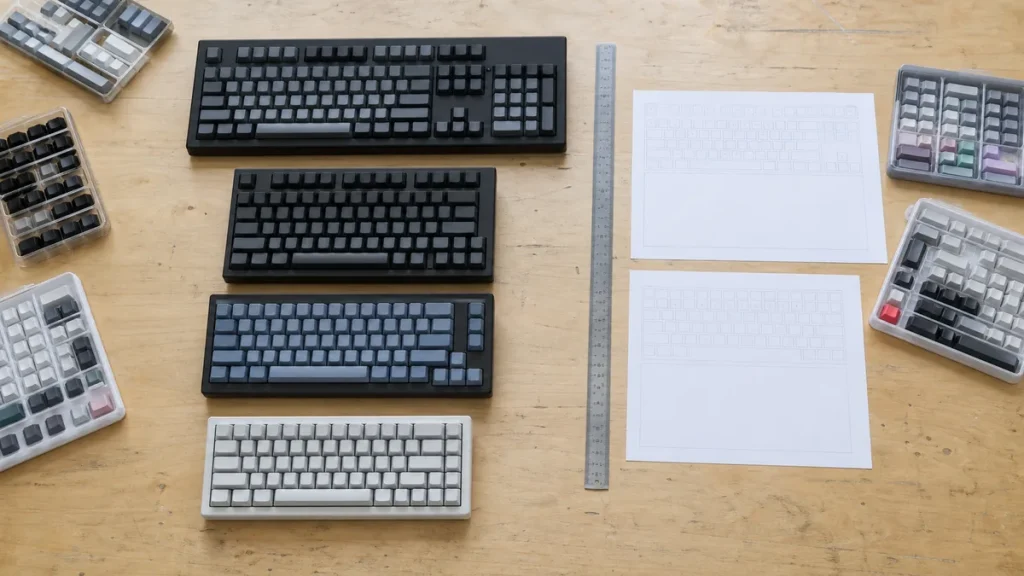
Keyboard layout determines the number and position of keys, overall size and the amount of desk space required.
Full-size, tenkeyless and compact layouts serve different users, gaming styles and sales channels.
A well-run gaming keyboard layout selection project moves through a sequence: define the use case, compare feasible solutions, approve a physical reference, verify the production method and monitor the first batch. Skipping one stage often pushes unresolved work into a more expensive part of the schedule.
Layout Is a Market Decision
Confirm target region, required language legends, function row, arrow keys, numeric keypad and software shortcuts.
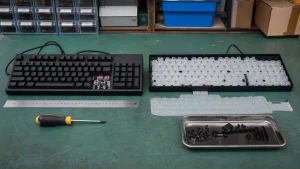
The sample sequence should narrow uncertainty. An early functional sample answers feasibility questions; a later appearance sample settles materials and finish; the pre-production unit confirms the actual process. Expecting one prototype to answer every question often produces confusion about what has truly been approved. Applied to gaming keyboard layout selection, this turns a broad preference into evidence that can be reviewed during sampling and checked again during production.
Regional Details That Change the Key Set
Regional layouts and low-volume keycap sets can affect MOQ, keycap cost, packaging and inventory planning.
Schedule risk can be reduced by approving long-lead components early and delaying noncritical decisions that do not block them. A milestone plan for gaming keyboard layout selection should show dependencies rather than one final date, allowing both sides to see which decision is holding the project.
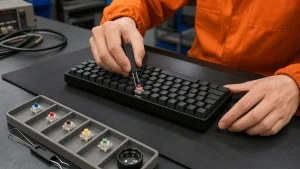
During development, each sample should retire a defined risk. The first may establish basic feasibility, the second may compare materials or structures, and the third may verify the intended production process. For gaming keyboard layout selection, label samples by revision and purpose so an older version cannot accidentally become the reference. When comments are returned, group them into function, appearance, packaging and documentation. That organization helps the factory assign work correctly and allows the buyer to see which decisions are still open before another sample is requested.
Lock the Footprint Before Packaging Begins
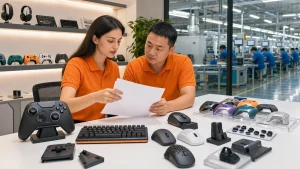
A qualified gaming-accessories factory can help compare available layouts and coordinate keycap, legend, lighting and packaging customization.
Treat pre-production approval as a gate, not a formality. Confirm that the unit uses final materials, tooling, firmware and packaging. If it does not, list the remaining differences and assign a separate verification step before authorizing full output. The approval record for gaming keyboard layout selection should make that decision understandable to someone who did not participate in the original discussion.
For the first bulk order, request a concise production summary covering quantity, key material lots, firmware or artwork revision, inspection result and packing configuration. With gaming keyboard layout selection, ask for trend information when a measured value matters, not only a pass statement. Review the summary before shipment and keep it with the purchase record. On the second order, compare the same fields. This simple routine creates continuity and helps identify whether a later customer complaint is isolated or connected to a particular production change.
Create an Approval Checklist for Gaming Keyboard Layout Selection
Separate essential requirements from optional upgrades before confirming the budget for gaming keyboard layout selection.
A sourcing inquiry for gaming keyboard layout selection may be submitted through info@rayforandy.com.