

QUALITY MANAGEMENT
Defect prevention begins before the production line starts. Clear standards, approved samples and controlled materials are more effective than relying only on final inspection.
Create Measurable Specifications
Define materials, dimensions, colors, functions, compatibility, performance and packaging. Replace subjective descriptions such as “premium quality” with measurable requirements and reference samples.
Approve a Golden Sample
The approved sample should represent the expected product. Both buyer and manufacturer should keep a reference for appearance, function and packaging.
Control Incoming Materials
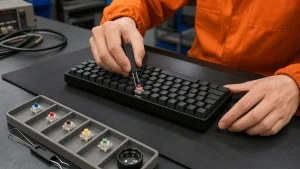
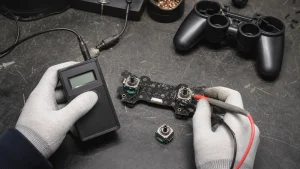
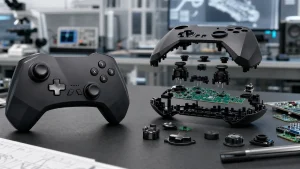
Housings, PCBs, joysticks, switches, batteries, cables and packaging should be checked before use. A defective component can create repeated failures across an entire production lot.
Use In-Process Testing
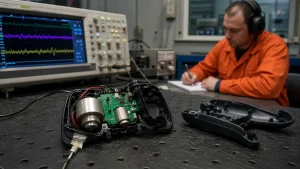
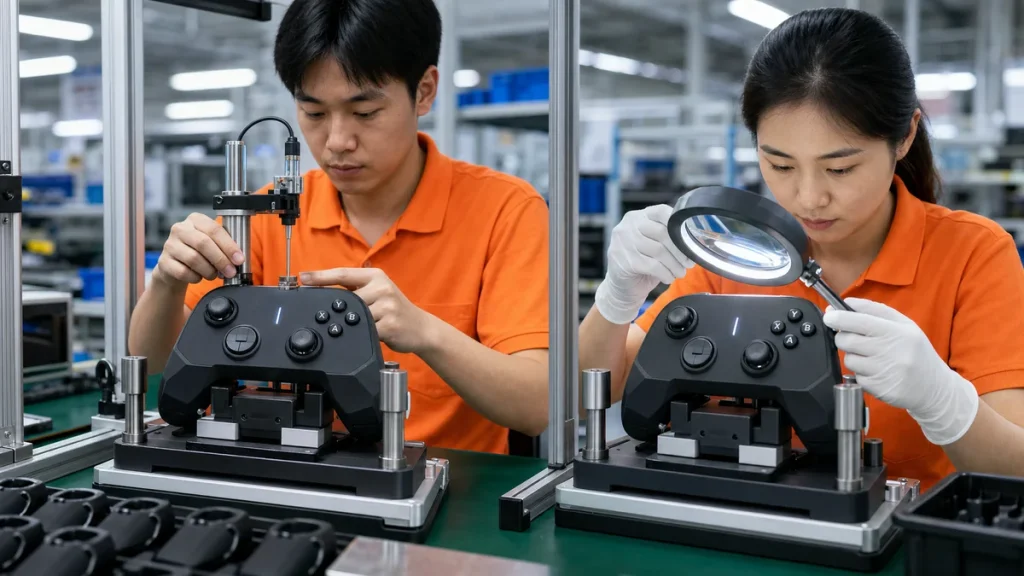
Checking assembly, soldering, calibration and function during production prevents defects from moving to the next stage. Test fixtures can improve consistency for buttons, joysticks and electronic functions.
Analyze and Correct
Defects should be recorded by type and frequency. The team should identify root causes, implement corrective action and verify that the problem does not return.
Final inspection remains important, but a mature quality system controls risk throughout development, materials, assembly, testing and packing.