

PRODUCT DEVELOPMENT
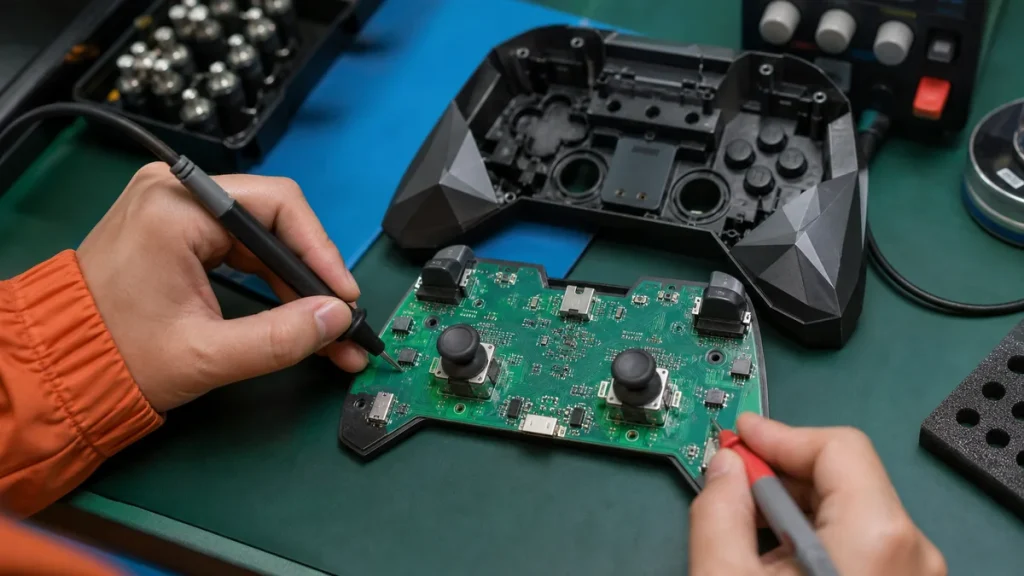
The PCB is the electronic foundation of a gaming controller. It manages button input, joystick signals, wireless communication, vibration, charging and other functions. PCB customization can create meaningful differentiation, but it requires clear specifications and disciplined testing.
When Is PCB Customization Needed?
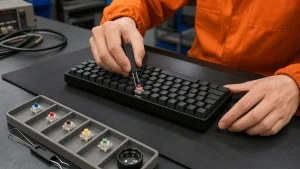
It may be required for new button layouts, extra back buttons, turbo functions, macros, multiple connection modes, lighting, audio, charging or platform compatibility. Minor branding projects often do not need a new PCB.
Start with a Functional Specification
Describe supported platforms, wired or wireless modes, button mapping, vibration, battery, charging, lighting and any software requirements. Define what users should experience instead of only listing components.
Prototype and Firmware Testing
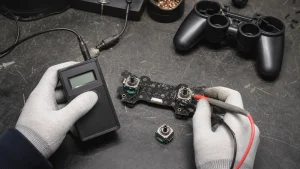
Engineering samples should be tested for input accuracy, latency, pairing, reconnection, power consumption, charging and stability. Firmware changes should use version control so the approved version can be reproduced during mass production.
Production Testing
A suitable test fixture can check buttons, joysticks, triggers, communication and power functions efficiently. Calibration data and pass criteria should be documented.
Cost and Ownership
Confirm engineering fees, sample fees, MOQ, development schedule, test fixture cost, tooling ownership and design ownership. These terms should be agreed before the project begins.