

OEM/ODM GUIDE
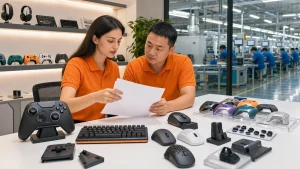
OEM and ODM are common terms in gaming accessories sourcing, but they represent different levels of customization, investment and development time. Understanding the difference helps buyers choose a practical route for their brand.
What Is OEM?
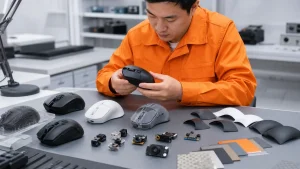
OEM generally means producing an existing or factory-developed model under your brand. Buyers can usually customize the logo, product color, surface finish, packaging, manuals and accessories. OEM is suitable for businesses that want faster market entry, controlled development costs and lower initial order quantities.
What Is ODM?
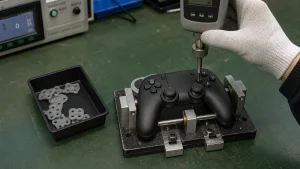
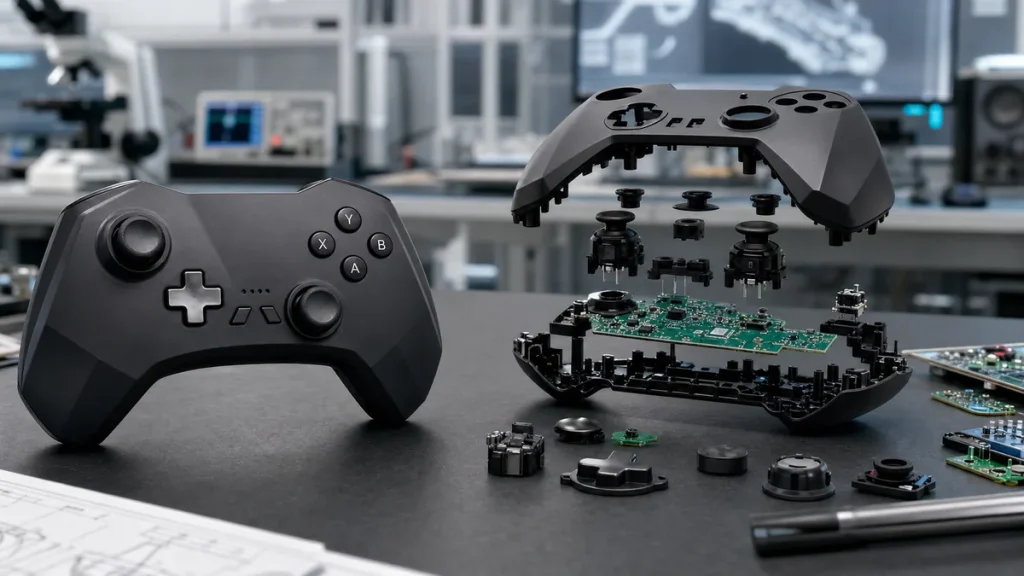
ODM involves deeper product development. It may include a new housing, PCB design, firmware, functions, materials, tooling and structural changes. ODM gives brands greater differentiation, but normally requires more development time, engineering work and a higher MOQ.
Choose ODM when: unique functions, exclusive appearance and long-term product ownership are more important.
A Practical Middle Option
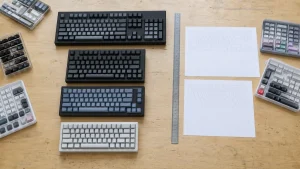
Many brands begin with semi-customized OEM products. They select a proven platform and customize colors, textures, button layouts, packaging and selected functions. This approach creates differentiation without starting a complete product development project.
Questions to Confirm
Before starting, confirm customization scope, sample fees, tooling ownership, MOQ, development schedule, testing standards, certification requirements and intellectual property responsibilities. Clear documentation protects both buyer and manufacturer.